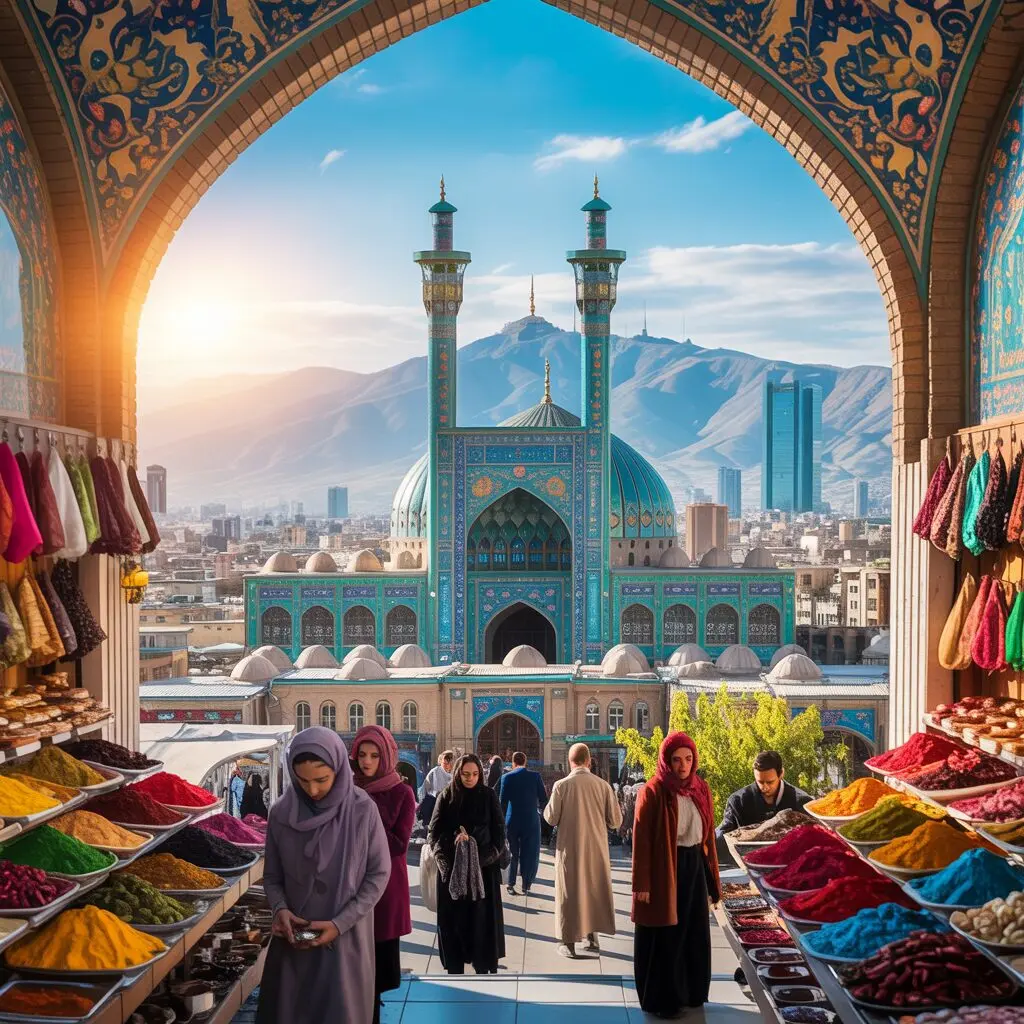
Traveling to Iran can seem daunting at first. The visa process, cultural rules, financial restrictions, and limited online information all add up to an unfamiliar travel experience. But with the right preparation, a trip to Iran in 2026 can be one of the most memorable and rewarding journeys of your life. These essential Iran travel tips will help you prepare and make the most of your visit.
Before You Go – Essential Preparation
1. Sort Your eVisa Early
The Iran eVisa takes 5-14 business days to process. Apply at least 3-4 weeks before your trip at evisa.mfa.ir. The fee is $75 USD and it’s non-refundable. Don’t book non-flexible flights until your visa is approved. For a complete checklist, see our Iran eVisa Requirements page.
2. Install a VPN Before Arriving
This cannot be stressed enough. Many international websites (Instagram, Facebook, Twitter/X, Google, WhatsApp, and hundreds more) are blocked in Iran. Download and configure a reliable VPN app on all your devices before you land. Once in Iran, you may not be able to download apps from international stores. Popular VPNs used in Iran: ExpressVPN, NordVPN, Psiphon, Lantern.
3. Bring Cash – Bank Cards Don’t Work
Due to US-led international sanctions, no international bank cards or credit cards function in Iran. ATMs will not dispense cash to foreign cards. You must bring your entire travel budget in cash. Euros are the easiest to exchange, followed by US dollars. Exchange at official exchange offices (sarafi) for the best rates – the black market rate is illegal and risky.
4. Get Travel Insurance That Covers Iran
Travel insurance is mandatory for the Iranian eVisa. More importantly, if you have a medical emergency in Iran, you need valid insurance. Some policies exclude “sanctioned countries” – read your policy carefully and ensure Iran is explicitly covered.
5. Research Your Home Country’s Travel Advisory
Before booking, check the travel advisory from your foreign ministry. Many countries maintain warnings about Iran. Being informed doesn’t mean you can’t go – it means you can travel with realistic expectations and appropriate precautions.
During Your Trip – Cultural and Practical Tips
6. Dress Code – Non-Negotiable
Women must wear a headscarf and modest clothing in all public places. This applies to all foreign women regardless of religion. Have your headscarf accessible from the moment you land (even at the airport). Men should wear long trousers – shorts are not acceptable in most public settings.
7. Iranian Hospitality – Say Yes (Within Reason)
Iranians practice ta’arof – an elaborate form of social courtesy. You will be invited for tea, meals, and home stays by strangers. While you can’t accept every invitation, saying yes occasionally leads to the most memorable experiences of your trip. Iranians genuinely want foreign visitors to see their country positively.
8. Use Snapp for Getting Around
Snapp is Iran’s equivalent of Uber and works in most major cities. Download it before you arrive (while still on unrestricted internet). Set up your account with an international number that can receive SMS. Snapp eliminates taxi fare negotiation entirely.
9. Learn a Few Farsi Phrases
Even basic greetings go a long way. Essential phrases:
- Salam – Hello
- Mamnoon/Mersi – Thank you
- Bale/Na – Yes/No
- Chand mish-e? – How much is it?
- Man inglisi balad-am – I speak English
- Khahesh mikonam – You’re welcome / Please
10. Understand the Currency System
Iran uses both “Rial” (official) and “Toman” (common usage). 1 Toman = 10 Rials. Almost all prices quoted verbally or on menus use Toman. Written prices in restaurants are in Toman unless otherwise stated. Divide any written price by 10 to convert Rials to Toman, and then divide by the current exchange rate to get your currency equivalent.
Photography Tips
- Always ask permission before photographing people – most Iranians are happy to be photographed
- Do not photograph military facilities, airports (from inside), government buildings, or police/military personnel
- Sacred sites (mosques, shrines) generally welcome photography but avoid prayer times
Health Tips
- Tap water: generally safe in cities but bottled water is widely available and cheap
- Food safety: very high standards in restaurants; street food is generally safe
- Altitude: Tehran sits at 1,100-1,800m – some visitors experience mild altitude effects
- Bring all medications you need – some Western brands are unavailable or expensive
Staying Connected
Buy a local SIM card at the airport or in any mobile phone shop. Irancell and Hamrah Aval are the main providers. A tourist SIM with data costs approximately $10-20 and gives you access to local apps and navigation. Combined with your VPN, you’ll have full internet access.
Frequently Asked Questions
Can I use Google Maps in Iran?
Google Maps works if you have a VPN active. Alternatively, Maps.me works offline and has detailed Iran coverage. Download Iran maps on Maps.me before arriving.
Is it OK to visit mosques as a non-Muslim tourist?
Yes. Most major mosques and religious sites in Iran welcome respectful non-Muslim visitors. Dress modestly, remove shoes when required, and avoid visiting during prayer times for the best experience.
How do I exchange money in Iran?
Use official exchange offices (sarafi). Bring euros or USD. The official government rate is lower than the street/exchange office rate – using sarafi is legal and gives better rates. Never use the illegal black market.
What app should I use for translation in Iran?
Google Translate works with a VPN. Download the Farsi language pack offline so you can use the camera translation feature even without internet. This is invaluable for reading menus and signs.