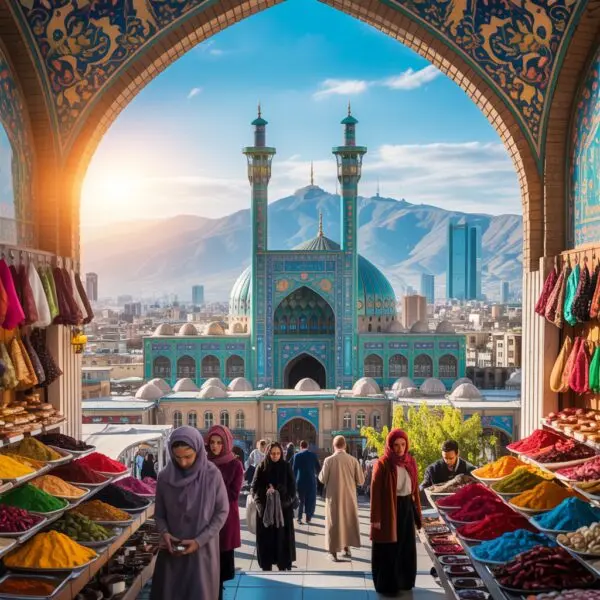
Tehran, the sprawling capital of Iran, is a city that defies easy categorization. Home to 15 million people, it combines ancient Persian heritage with modern urban energy in ways that consistently surprise and delight visitors. Whether you’re arriving after getting your Iran eVisa or on a quick transit stop, Tehran rewards exploration. This 2026 guide covers everything you need to know.
Getting to Tehran – Imam Khomeini International Airport
Most international visitors to Iran arrive at Imam Khomeini International Airport (IKA), located approximately 35km south of central Tehran. From the airport:
- Metro Line 1 extension connects IKA to central Tehran (about 45-60 minutes, very affordable)
- Official airport taxis are available at fixed rates (negotiate or use the official taxi desk)
- Snapp (ride-hailing app) – download and set up before arrival for the best rates
- Journey to central Tehran: 45-90 minutes depending on traffic
Note: Tehran traffic is notorious – avoid arriving during peak hours (7-9am, 4-8pm) for faster airport transfers.
Top Attractions in Tehran
Golestan Palace – UNESCO World Heritage Site
The Golestan Palace complex is a masterpiece of Persian Qajar-era architecture and one of Tehran’s must-see attractions. The 17-building complex includes mirror-adorned halls, throne rooms, and beautiful gardens. The Marble Throne in the main courtyard is one of Iran’s most photographed subjects.
Practical info: Open daily except Mondays; separate entrance fees for different pavilions. Allow 2-3 hours for a thorough visit.
National Museum of Iran
Iran’s premier archaeological museum houses artifacts spanning 7,000 years of Persian civilization. Highlights include the Cyrus Cylinder replica, extraordinary Achaemenid metalwork, and Bronze Age finds. The museum is essential context for visiting Persepolis and other historical sites.
Tehran Grand Bazaar
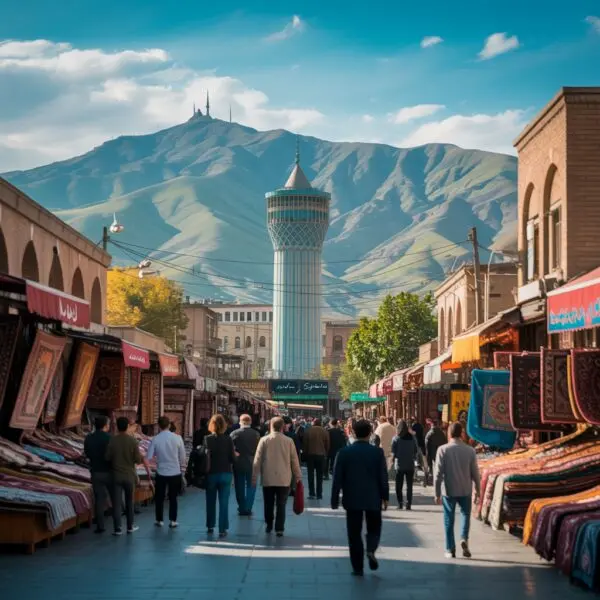
One of the world’s largest covered bazaars, the Tehran Grand Bazaar is a city within a city – sprawling over 10km of corridors, mosques, caravanserais, and specialized markets. It’s the commercial heart of traditional Tehran. Come here for spices, carpets, gold, and authentic local atmosphere.
Milad Tower
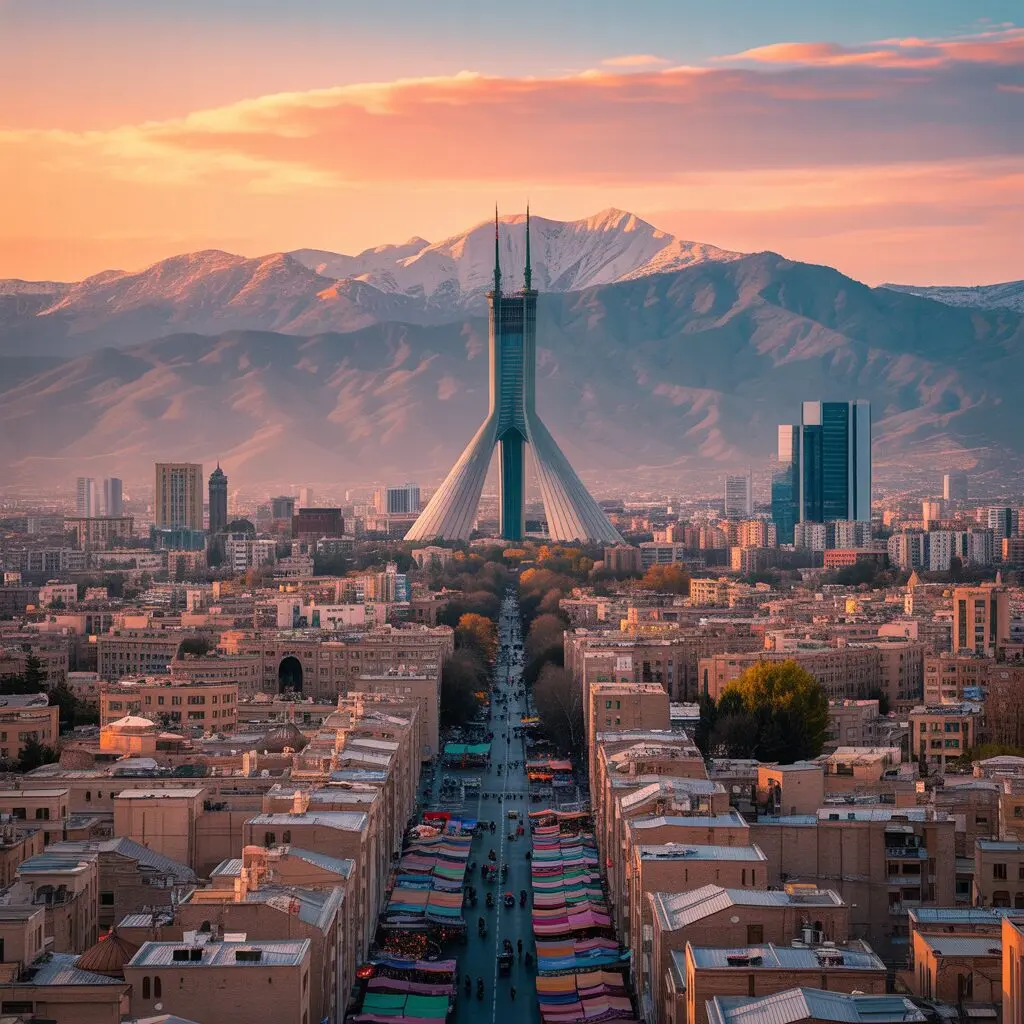
Tehran’s tallest structure at 435 meters offers panoramic views of the city and surrounding Alborz Mountains on clear days. The observation deck and revolving restaurant are popular with both tourists and locals.
Sa’d Abad and Niavaran Complexes
In the lush northern districts of Tehran, these former royal palace complexes offer beautiful gardens and fascinating insight into Iran’s Pahlavi-era history. The Sa’d Abad complex houses multiple museums across 107 hectares of green grounds.
Tehran Museum of Contemporary Art
One of the world’s most surprising art collections – the TMoCA houses works by Warhol, Picasso, Pollock, and other Western masters alongside major Iranian modern artists. The collection was acquired before the 1979 revolution and remains one of the most significant outside Western museums.
Best Neighborhoods to Explore
- Darband: A mountain village absorbed by the city, with hiking trails, teahouses, and restaurants climbing into the Alborz Mountains
- Tajrish Bazaar: Atmospheric northern bazaar, more relaxed than the Grand Bazaar
- Vanak and Mirdamad: Modern Tehran with cafes, restaurants, and a younger crowd
- Jomhuri/Ferdowsi: Central Tehran, good for budget accommodation and people-watching
Food and Restaurants in Tehran
Tehran’s food scene is exceptional. Persian cuisine is diverse, aromatic, and unlike anything in the Western world. Essentials to try:
- Chelo Kebab: Iran’s national dish – grilled meat with saffron rice, tomatoes, and butter
- Ghormeh Sabzi: Herb-rich slow-cooked lamb stew
- Fesenjan: Pomegranate and walnut sauce with duck or chicken
- Ash Reshteh: Hearty Persian noodle soup
- Dizi: Traditional lamb and chickpea stew served in stone bowls
For a world-class food experience, visit a traditional restaurant in the old city or try the food courts in modern northern Tehran malls.
Day Trips from Tehran
- Alborz Mountains: Ski in winter at Tochal and Dizin resorts (1-2 hours); hike in summer
- Kashan: 2.5 hours by bus or train – historic mansions, rose water, and the nearby Dasht-e Kavir desert
- Qom: 1.5 hours – Iran’s holiest city and center of Shia scholarship
Practical Information for Tehran
- Currency: Iranian Rial (IRR) or Toman; bring euros or USD and exchange at official exchange offices
- Transport: Metro system covers most central areas; Snapp app for taxis
- Accommodation: From budget guesthouses (~€15-25) to luxury hotels (~€80-200)
- Internet: Many sites blocked – use VPN (set up before arriving)
Frequently Asked Questions
How many days should I spend in Tehran?
2-3 days is the minimum to see the main attractions. If you enjoy urban exploration and museums, 4-5 days allows you to properly discover the city and do a day trip to the mountains or Kashan.
Is public transport good in Tehran?
Tehran has an extensive metro network that covers most tourist areas and is very affordable. The Snapp ride-hailing app is excellent for areas not covered by metro. Surface traffic can be very heavy.
What is the best area to stay in Tehran for tourists?
Northern Tehran (Vanak, Jordaan, Niavaran) is safe, modern, and has good amenities. Central Tehran (near Grand Bazaar, Imam Khomeini Square) is more budget-friendly and closer to historic sites.
Do I need an Iran eVisa to visit Tehran?
Yes. Tehran is in mainland Iran and requires a valid visa. Apply online at evisa.mfa.ir for the Iran eVisa. See our complete Iran eVisa Guide for details.