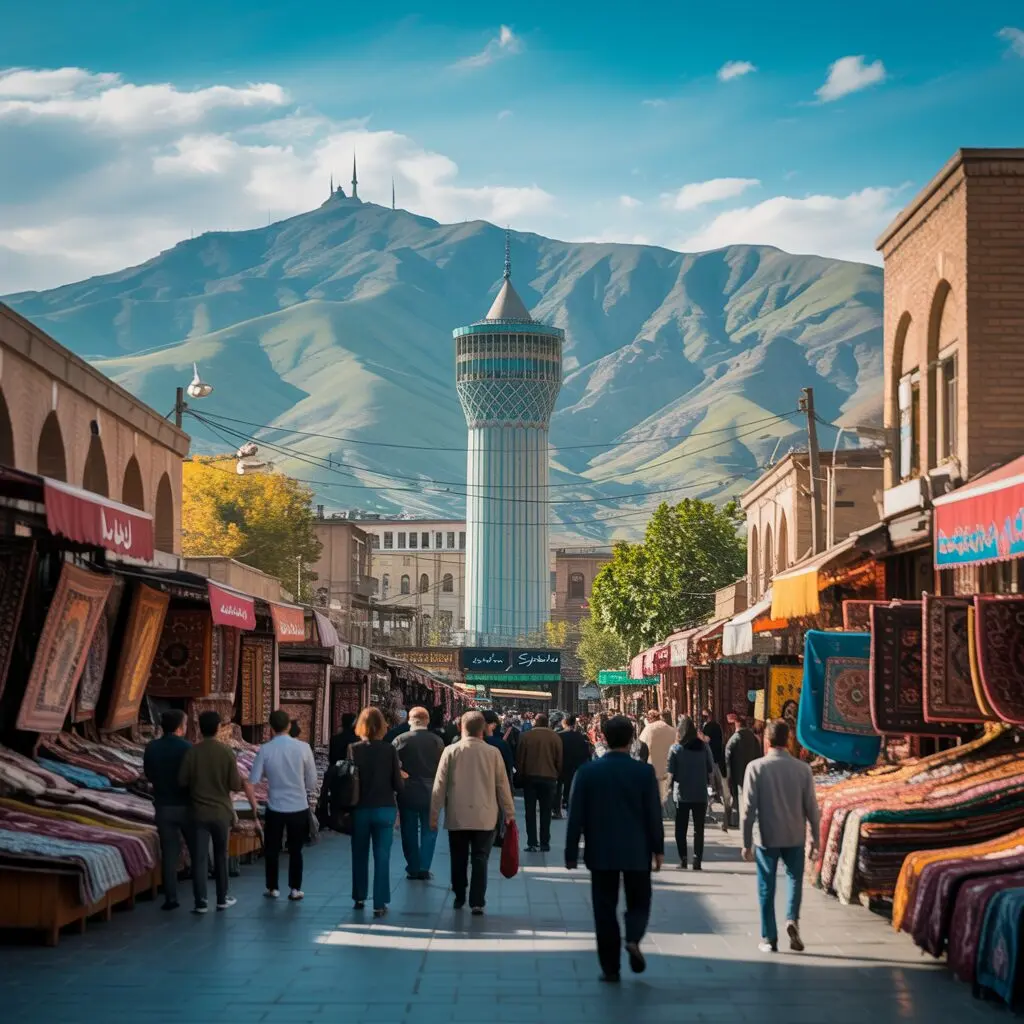
Iran is one of the world’s most underrated travel destinations. With ancient Persian ruins, stunning Islamic architecture, legendary hospitality, and extraordinary cuisine, Iran offers experiences that few countries can match. If you’re planning to visit in 2026, this comprehensive travel guide covers everything you need to know – from getting your eVisa to the best things to do and see.
Why Visit Iran in 2026?
Despite its complex geopolitical reputation, Iran consistently surprises first-time visitors with its warmth, beauty, and cultural depth. A 2026 visit offers:
- UNESCO World Heritage sites including Persepolis, Naqsh-e Jahan Square, and Golestan Palace
- One of the world’s finest carpet-weaving traditions
- A cuisine that has influenced cooking across the Middle East
- Persian hospitality – Iranians are renowned for their friendliness to foreign visitors
- Extraordinary value for money – Iran is one of the most affordable destinations in the world
- Unique cultural experiences unavailable anywhere else
Getting Your Iran eVisa – The First Step
Before planning anything else, check your eligibility for the Iran eVisa. Citizens of 48 countries can apply online at evisa.mfa.ir. Key facts for 2026:
- Fee: $75 USD
- Processing: 5-14 business days
- Validity: 90 days / 30-day stay
- Apply at least 3-4 weeks before travel
US, UK, and Canadian citizens face special restrictions – see our dedicated pages for US and UK citizens. For everyone else, read our How to Apply guide to get started.
Best Time to Visit Iran
Iran’s climate varies enormously by region and season:
- Spring (March-May): Best time overall. Mild temperatures, blooming gardens, Nowruz celebrations around March 21. Expect crowds during Nowruz week
- Autumn (September-November): Second best. Comfortable temperatures, harvest season, fewer crowds
- Winter (December-February): Cold but manageable in most cities. Excellent for skiing in the Alborz Mountains. Desert south is perfect in winter
- Summer (June-August): Brutally hot (40-45°C+) in most areas. Only viable in high-altitude regions or the Caspian coast. Avoid if possible
Top Destinations in Iran
Tehran – The Dynamic Capital
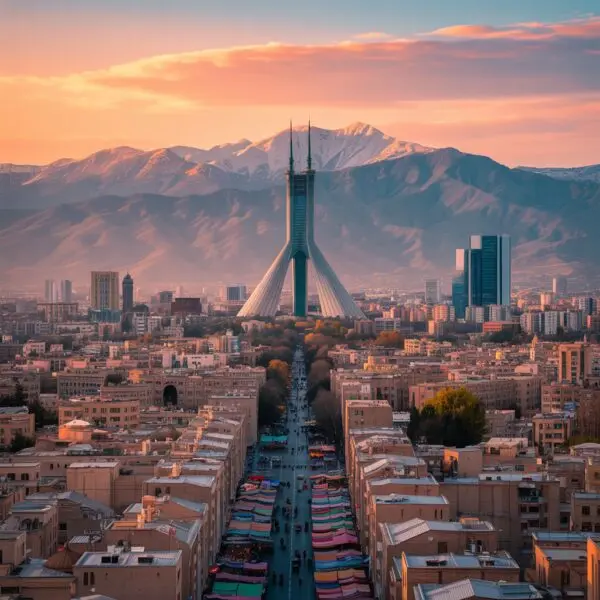
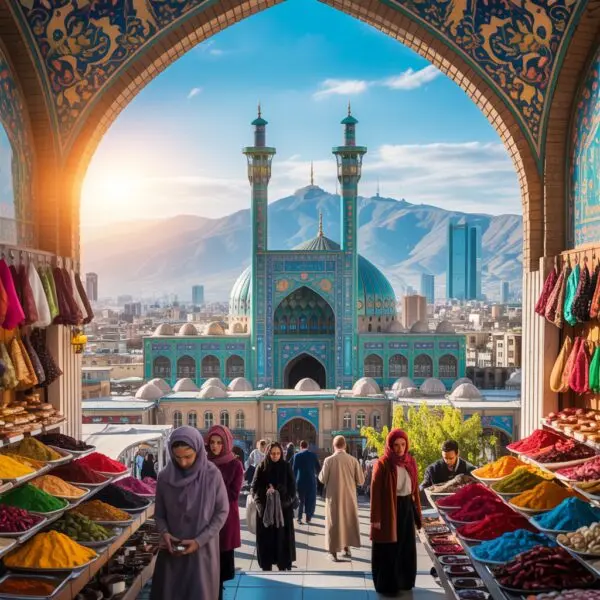
Iran’s capital is a city of contrasts – modern skyscrapers alongside bazaars, world-class museums next to cafes full of young Iranians. Must-sees include the National Museum, Golestan Palace (UNESCO), Grand Bazaar, and the leafy Shemiran district in northern Tehran. The city is a gateway to the Alborz Mountains for skiing and trekking.
Isfahan – Iran’s Architectural Crown Jewel
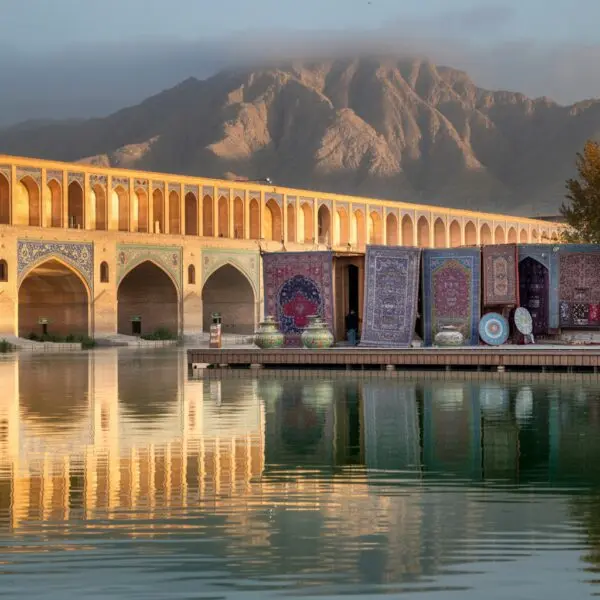
Often called “Half of the World” (Nesf-e Jahan), Isfahan is arguably Iran’s most beautiful city. Imam Square (Naqsh-e Jahan) is one of the largest squares on earth and is surrounded by the stunning Sheikh Lotf Allah Mosque, Imam Mosque, and Ali Qapu Palace. The city’s bridge-promenades over the Zayandeh River are perfect for evening strolls.
Shiraz – City of Poets and Gardens
Shiraz is the gateway to Persepolis, the ancient ceremonial capital of the Achaemenid Empire. The city itself is known for its rose gardens, Persian poetry heritage (home of Hafez and Sa’di), and the stunning Nasir al-Mulk “Pink Mosque” with its spectacular stained glass interior.
Yazd – The Desert City
Yazd is a UNESCO World Heritage city of mud-brick architecture, wind towers, and the ancient Zoroastrian faith. The Old City is a labyrinth of narrow alleyways and historic homes. The city’s vibrant Zoroastrian community is unique in Iran.
Kashan – Carpets and Historic Homes
Kashan is famous for Persian carpets, rose water production, and some of Iran’s finest historic mansions (Tabatabaei and Borujerdi houses). A day-trip from Kashan to the Dasht-e Kavir desert and the caravanserai of Maranjab offers extraordinary landscapes.
Practical Travel Information
Currency and Money
International bank cards don’t work in Iran. Bring euros or US dollars in cash for your entire trip. Exchange at official exchange offices (sarafi) for the best rates. Budget:
- Budget traveler: €30-50/day
- Mid-range: €50-100/day
- Luxury: €100-200+/day
Getting Around
Iran has excellent domestic transport:
- Domestic flights: Iran Air and Mahan Air connect major cities affordably
- Trains: Comfortable and scenic for long distances (Tehran-Isfahan, Tehran-Mashhad)
- Buses: VIP overnight buses are the budget traveler’s friend
- Taxis and apps: Snapp (Iran’s Uber equivalent) works in major cities
Internet Access and VPN
Many international websites and social media are blocked in Iran. Download a reliable VPN on your devices before arriving. Once in Iran, you may not be able to download VPN apps from app stores.
Dress Code
All women (regardless of nationality) must wear a headscarf in public spaces and dress modestly (arms and legs covered). Men should wear long trousers. Pack accordingly – you won’t be able to ignore this rule.
Safety in Iran for Tourists
Iran is generally very safe for tourists in terms of street crime. Petty crime rates are low by international standards. The main concerns are:
- The geopolitical situation and your home country’s travel advisory
- Traffic (Iranian driving can be aggressive)
- Potential harassment by authorities for journalists, activists, or dual nationals
Always check your government’s current Iran travel advisory before booking.
Frequently Asked Questions
How much does a trip to Iran cost in 2026?
Iran is very affordable by international standards. A mid-range budget of €50-100 per day covers comfortable accommodation, meals, transport, and entry fees. The main cost to arrange in advance is the eVisa ($75) and travel insurance.
Is Iran safe for solo female travelers?
Many solo female travelers visit Iran and report positive experiences. The main consideration is the mandatory hijab requirement in public. Harassment of tourists is generally low, but solo females should exercise the same general travel precautions as anywhere.
Do I need to speak Farsi to travel in Iran?
No. In major tourist cities, basic English is understood. In rural areas and smaller towns, Farsi becomes more important. A basic translation app and a few key Farsi phrases go a long way.
Can I drink alcohol in Iran?
No. Iran is an Islamic republic and the sale and public consumption of alcohol is strictly prohibited. This applies to all visitors regardless of religion. Some local communities drink privately, but as a tourist, you should follow the law.